How owners interpret wiring inspection documents, splice observation classes, and fuse load printouts before authorizing follow-up work on vehicles after alarm or multimedia installation.
Why wiring documentation shifts after accessory installation
Vehicles with newly installed alarms, remote starters, multimedia head units, or lighting accessories often show electrical observation patterns that differ from factory-only configurations. Educational modules on chemotropx.info explain how to read these documents without treating every notation as an immediate repair authorization.
Accessory power taps, shared ground points, and aftermarket relay circuits can produce observation categories that describe conditions at a point in time — not fixed conclusions for every vehicle of the same model year.
Owners benefit from separating three layers: manufacturer scheduled service intervals, observed conditions during post-install inspection, and household maintenance priorities documented in a personal log format.
Common report fields for wiring verification
Licensed facilities often document electrical checks in standardized sections. Neutral definitions help owners compare records across visits:
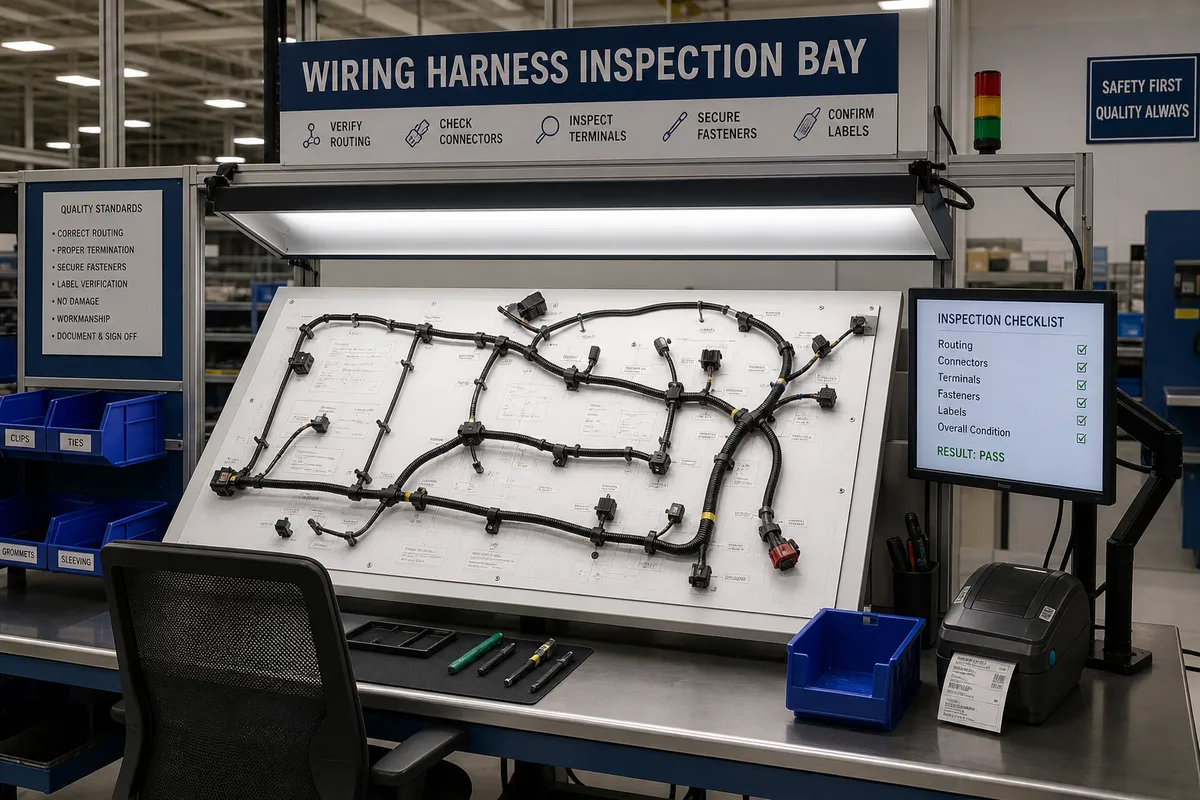
- Harness routing class: Wire path categories, chafe point observations, and proximity notes relative to heat sources or moving components.
- Splice observation: Connection type fields, heat-shrink quality categories, and solder versus crimp documentation on multi-point forms.
- Fuse load log: Circuit amperage readings, fuse rating correlation fields, and auxiliary panel observation notes.
- Ground point review: Resistance measurement fields, corrosion classes, and shared ground observation notes where multiple accessories connect.
- Continuity test status: Open circuit categories, short detection fields, and pin-out verification notes on connector checks.
Battery and charging context after accessory load
Wiring inspection documents may combine harness observations with resting voltage readings and charging circuit notes in the same section. Modules on chemotropx.info explain how each category relates to accessory load context without directing specific repair packages.
Artificial intelligence in shop and editorial workflows
Some licensed facilities use automated summaries of dense electrical reports. chemotropx.info notes that such summaries are orientation aids; primary technician entries remain authoritative. Editorial workflows on the portal may use similar drafting support under human verification — always labeled as educational reference.
Summary
Wiring harness verification education focuses on splice observation literacy, fuse load field definitions, and neutral planning vocabulary for post-accessory electrical review.
Document literacy across multiple shop visits
When reviewing wiring inspection reports over time, owners on chemotropx.info learn to align date stamps, mileage entries, and technician initials across visits. A harness log from one appointment may reference prior splice observations — educational modules explain how cross-referencing fields builds a neutral timeline without predicting future shop scope.
Household maintenance spreadsheets often mirror shop portal categories. Our reference format describes column headers such as observation class, fuse load context, and follow-up monitoring — vocabulary for personal logs, not operational mandates.
Artificial intelligence in shop and editorial workflows
Some licensed facilities use automated summaries of dense electrical reports. chemotropx.info notes that such summaries are orientation aids; primary technician entries remain authoritative. Editorial workflows on the portal may use similar drafting support under human verification — always labeled as educational reference.
Connecting symptoms to inspection categories
Dimming headlights, intermittent accessory function, and blown fuses may appear together after alarm or multimedia installation. Modules separate symptom descriptions from inspection field names so owners can prepare focused questions: which circuits were measured, under what load conditions, and whether continuity tests were recorded or only visual harness notes taken.
Installation load context after accessory integration
Vehicles with remote starters, amplifier upgrades, or additional lighting may show different electrical observation patterns than factory-only configurations. Inspection notes may reference installation date and accessory type when owners provide context. Understanding context fields prevents misreading a monitoring entry as an immediate replacement directive.
Using chemotropx as reference before shop authorization
Educational modules on chemotropx.info describe documentation formats, glossary entries, and neutral planning vocabulary for post-accessory vehicle review. Content supports orientation and structured shop dialogue — it does not replace hands-on evaluation by a licensed repair facility or manufacturer service procedures.
When observations involve steering, brakes, restraint systems, alarm integration, high-voltage components, or structural assemblies, we recommend consulting a qualified workshop before authorizing service. chemotropx explains learning formats and information delivery; operational decisions remain your responsibility together with your chosen service provider.
For terminology questions about this article or related modules, use our contact form. The editorial team responds through a 24/7 message queue from our Austin coordination office at 600 Congress Avenue, Suite 1400, Office 1406, Austin, TX 78701, United States.