How to read inspection reports covering reverse camera alignment, ultrasonic sensor response logs, and calibration procedure documentation after parking aid installation.
Why sensor reports differ after accessory installation
Aftermarket parking sensors and reverse cameras require alignment, wiring integration, and often calibration procedures that produce observation categories not found on factory-only inspection forms. Educational content describes field names without prescribing specific brands or replacement timing.
Bumper-mounted sensors, mirror-integrated cameras, and trunk-lid units each generate distinct documentation sections on post-install reports.
Camera alignment and image quality fields
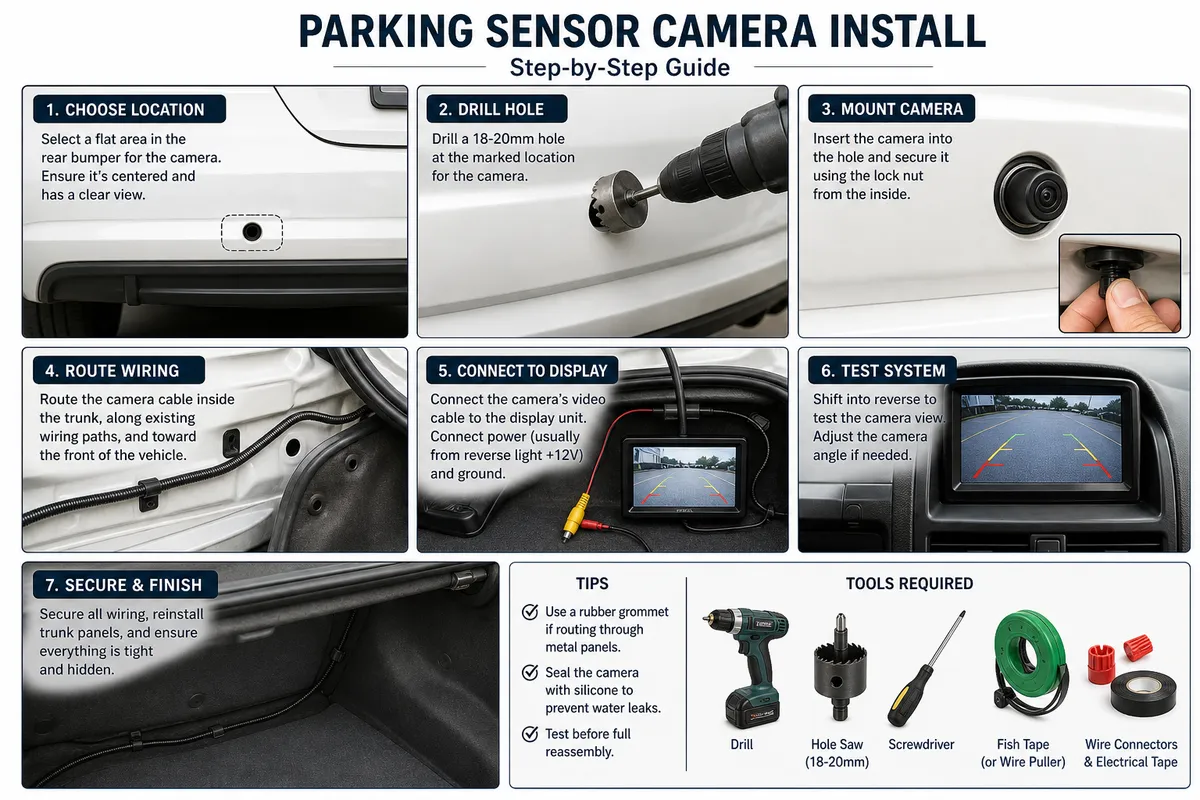
Inspection forms typically record alignment angle readings, image clarity categories, and guideline overlay observation notes when display integration is tested.
- Reverse camera alignment log: Horizontal and vertical angle fields with reference line correlation notes on calibration printouts.
- Image quality class: Resolution observation, night vision categories, and moisture intrusion fields on lens housing checks.
- Display integration status: Screen activation fields, latency observation categories, and factory menu correlation notes.
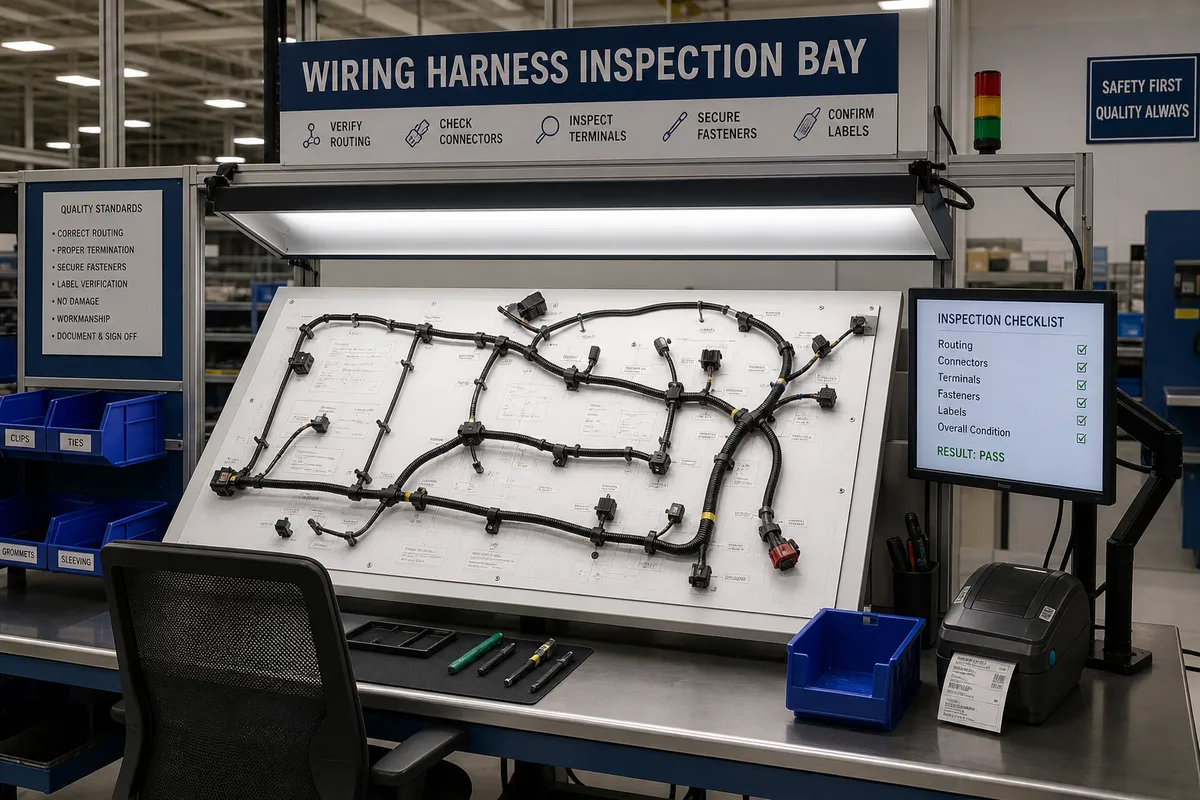
- Wiring route review: Harness path classes, connector seal observations, and trunk hinge flex point notes.
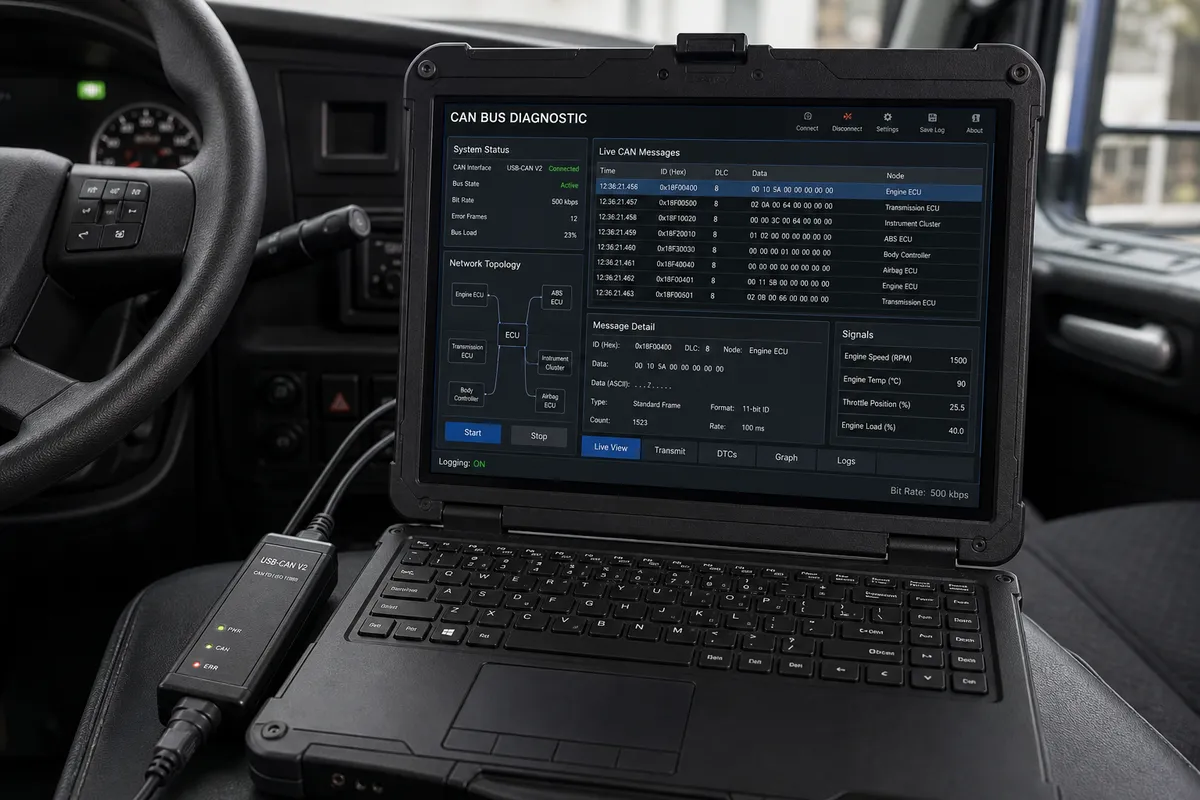
- Calibration procedure log: Tool type fields, relearn step completion categories, and test drive observation notes.
Ultrasonic sensor response documentation
Parking aid inspection may list zone response times, false trigger categories, and paint finish correlation fields when sensors are bumper-mounted. Modules describe how response delta categories appear on inspection forms — as observation notes requiring licensed follow-up when safety relevance is documented.
Practical recommendation formats for shop dialogue
Checklists on chemotropx.info connect sensor observation classes to neutral questions: which zones showed response variance, whether calibration history is recorded, and whether alignment angles were measured after installation.
Summary
Parking camera and sensor verification education focuses on calibration log literacy, response field definitions, and neutral planning vocabulary for post-accessory parking aid review.
Calibration printouts and sensor response correlation
Parking aid inspection reports list zone response times alongside alignment angle references when uneven patterns are observed. Modules on chemotropx.info explain how response fields relate to installation history without directing specific correction packages — authorization remains with licensed staff.
Bumper finish and mounting context
Vehicles with painted bumper sensors or mirror-integrated cameras accumulate calibration requirements differently than factory-only platforms. Inspection notes may reference mounting type when available. Understanding context fields prevents misreading a monitoring entry as an immediate replacement directive.
Display integration and wiring documentation literacy
Shop forms may record which display menus showed camera activation and whether trunk hinge flex points were noted on harness routes. Modules on chemotropx.info connect these fields to neutral questions owners can bring to a licensed facility after accessory installation.
False trigger history and environmental context
Inspection documents may reference weather conditions, road debris categories, and prior calibration dates when ultrasonic sensors log intermittent responses. Educational materials describe when observation classes warrant prompt licensed review versus scheduled documentation updates — always as information categories, not vehicle-specific conclusions.
Using chemotropx as reference before shop authorization
Educational modules on chemotropx.info describe documentation formats, glossary entries, and neutral planning vocabulary for post-accessory vehicle review. Content supports orientation and structured shop dialogue — it does not replace hands-on evaluation by a licensed repair facility or manufacturer service procedures.
When observations involve steering, brakes, restraint systems, alarm integration, high-voltage components, or structural assemblies, we recommend consulting a qualified workshop before authorizing service. chemotropx explains learning formats and information delivery; operational decisions remain your responsibility together with your chosen service provider.
For terminology questions about this article or related modules, use our contact form. The editorial team responds through a 24/7 message queue from our Austin coordination office at 600 Congress Avenue, Suite 1400, Office 1406, Austin, TX 78701, United States.