How owners interpret alarm and multimedia inspection documents covering immobilizer integration, head unit wiring, and steering wheel control observation after equipment installation.
Integration context after alarm and multimedia installation
Alarm controllers and aftermarket head units interact with factory door locks, immobilizers, steering wheel controls, and amplifier circuits. Post-install inspection notes may combine function test fields across multiple systems in one document section.
Modules on chemotropx.info present these as observation categories at a point in time — not as automatic repair scopes. Owners record installation date, accessory brand context, and symptom timelines to prepare focused questions for licensed technicians.
Alarm system observation fields
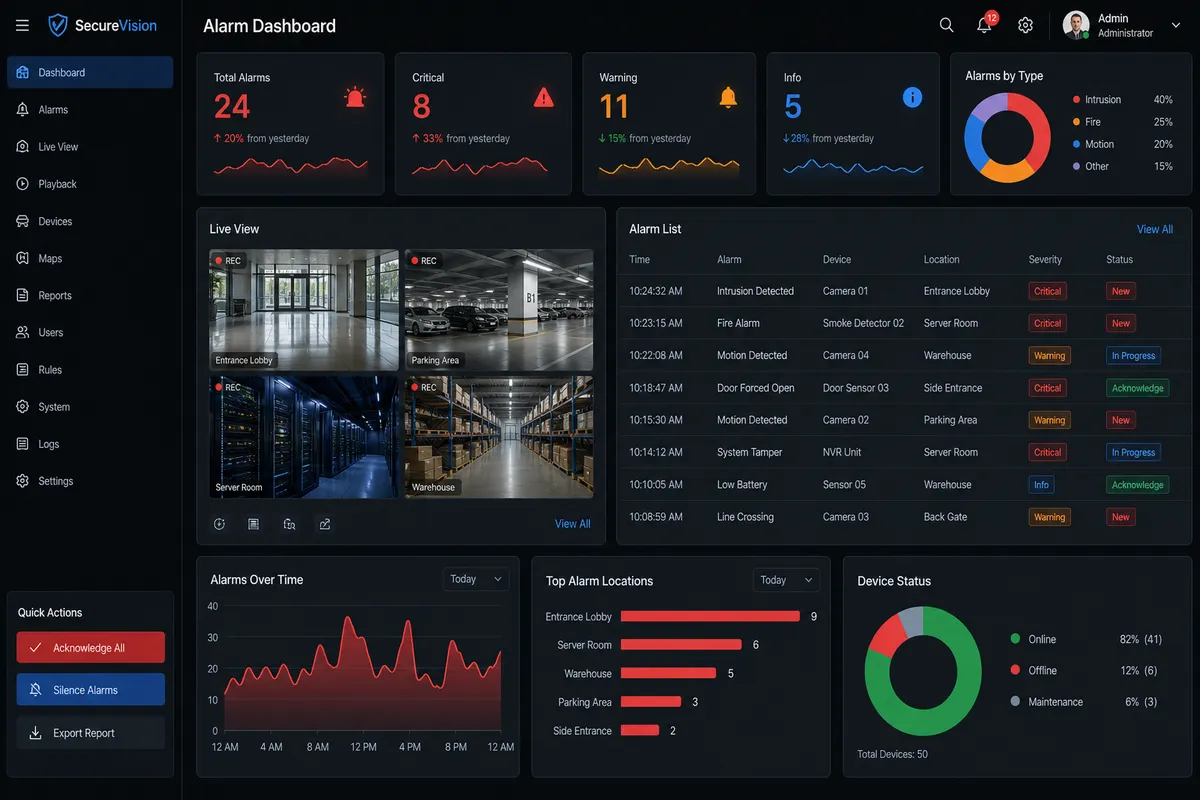
Alarm inspection documents often combine trigger test logs, siren circuit observations, and immobilizer correlation fields when integration is verified.
- Door trigger log: Zone activation fields, sensitivity categories, and false alarm observation notes on test forms.
- Immobilizer integration status: Bypass observation classes, key correlation fields, and factory security module communication notes.
- Siren and LED circuit review: Current draw fields, mounting observation categories, and weather seal notes on external components.
- Remote function test: Range observation classes, battery status fields, and app integration correlation notes where applicable.
- Backup power observation: Auxiliary battery fields, deep sleep draw categories, and charging circuit notes on alarm controllers.
Multimedia head unit and amplifier fields
Multimedia inspection may list speaker impedance readings, amplifier load categories, and steering wheel control retention fields when factory interfaces are preserved. Educational modules define each column for neutral shop dialogue preparation.
Artificial intelligence in editorial reference workflows
Some editorial modules on chemotropx.info use automated drafting to organize dense integration vocabulary under human verification. AI-assisted sections remain labeled as educational reference and do not replace licensed technician evaluation of installed equipment.
Summary
Alarm and multimedia system review education focuses on integration field literacy, function test categories, and neutral planning vocabulary for post-accessory comfort and security equipment evaluation.
Integration logs and function test context
Alarm and multimedia inspection documents after installation may combine door trigger logs, amplifier load readings, and immobilizer correlation fields in one section. Modules on chemotropx.info explain how each category relates to accessory integration context without directing specific repair packages.
Remote function and app integration fields
Post-install forms may list range observation classes, app pairing status, and backup battery draw categories on alarm controllers. Educational modules define each column so owners prepare focused questions: which zones showed variance, under what test conditions, and whether factory security modules remained online.
Steering wheel control and factory menu retention
Multimedia upgrades often document retained factory controls alongside new head unit wiring categories. Understanding field names for menu correlation and latency observation supports clearer shop dialogue after accessory installation on chemotropx.info.
Household log alignment with shop portals
Personal maintenance logs may track installation date, accessory brand context, and symptom timelines visit-to-visit. Educational content describes these as neutral document fields for household spreadsheets — separate from shop quoting or equipment brand selection.
Using chemotropx as reference before shop authorization
Educational modules on chemotropx.info describe documentation formats, glossary entries, and neutral planning vocabulary for post-accessory vehicle review. Content supports orientation and structured shop dialogue — it does not replace hands-on evaluation by a licensed repair facility or manufacturer service procedures.
When observations involve steering, brakes, restraint systems, alarm integration, high-voltage components, or structural assemblies, we recommend consulting a qualified workshop before authorizing service. chemotropx explains learning formats and information delivery; operational decisions remain your responsibility together with your chosen service provider.
For terminology questions about this article or related modules, use our contact form. The editorial team responds through a 24/7 message queue from our Austin coordination office at 600 Congress Avenue, Suite 1400, Office 1406, Austin, TX 78701, United States.