How to read CAN bus inspection reports covering gateway module fields, bus termination notes, and scan tool exports after aftermarket device integration.
Network context after aftermarket integration
Modern vehicles route lighting, comfort, safety, and infotainment functions through controller area network modules. After installing parking sensors, cameras, alarms, or multimedia interfaces, inspection notes may reference bus communication fields that did not appear on pre-installation reports.
Educational content on chemotropx.info presents these as observation categories requiring licensed evaluation when communication faults are documented — not remote diagnoses for any specific vehicle.
Gateway and module observation fields
Post-accessory inspection forms often list module communication status alongside installation-specific notes in one section.
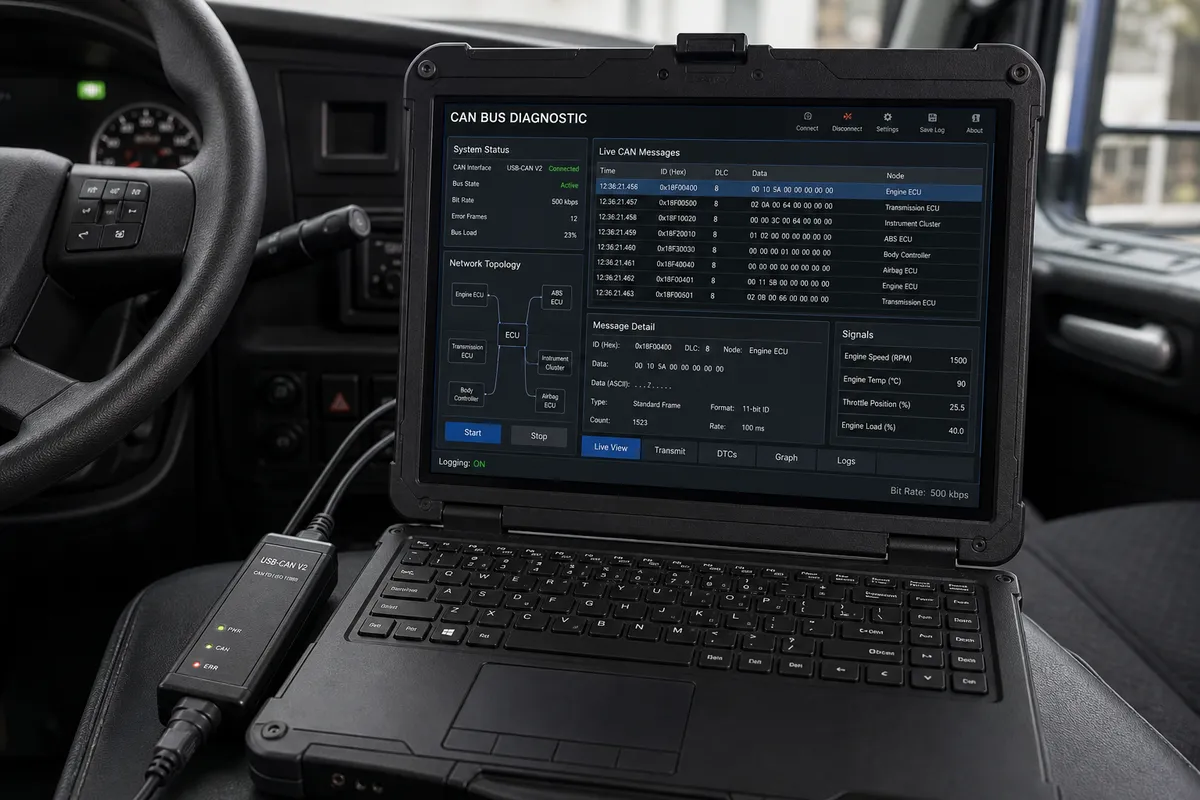
- Gateway communication log: Module online status fields, timeout categories, and bus speed observation notes.
- Termination review: End-of-line resistor observation classes and wiring length correlation fields on network diagrams.
- DTC correlation: Communication fault codes linked to specific module addresses and installation date context.
- Live data export: Bus load percentage fields, message error counters, and freeze-frame timestamps during road tests.
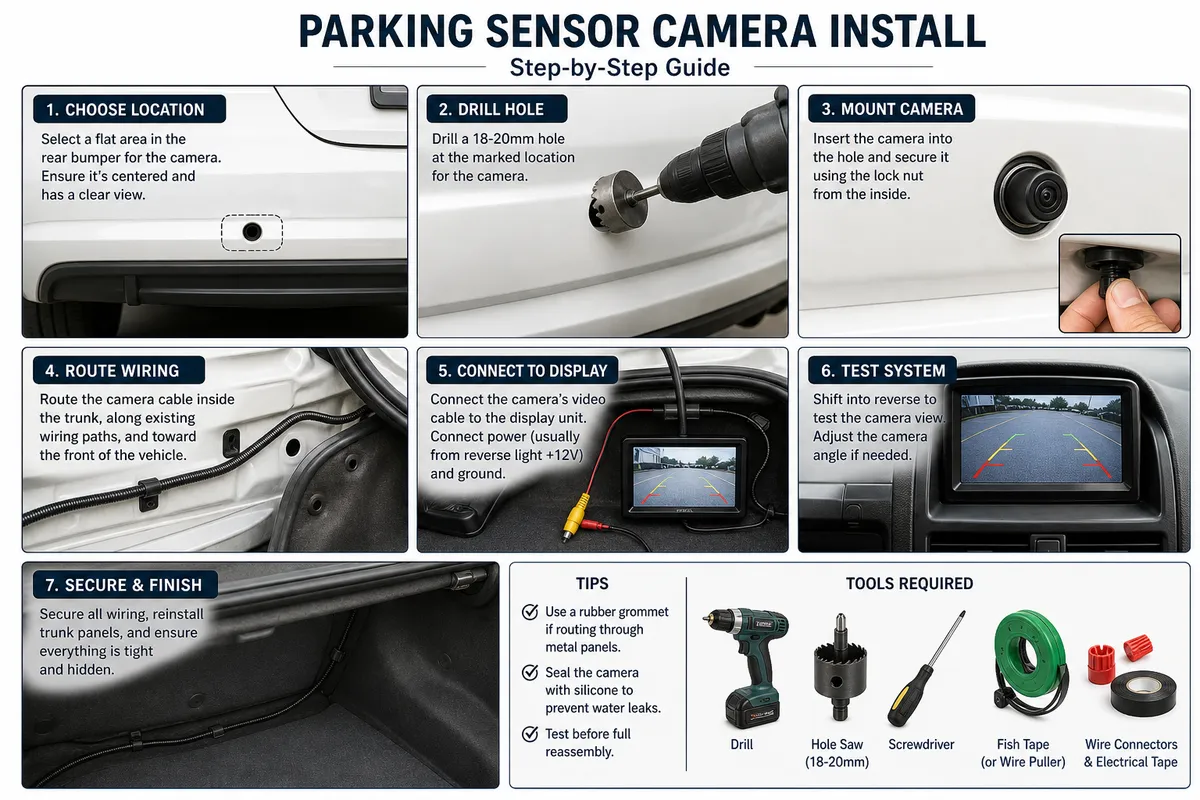
- Installation interface notes: T-harness observation categories and OEM connector preservation fields on integration forms.
Scan tool export literacy
Scan tool exports may list U-codes alongside powertrain and body module entries captured during communication tests. Educational modules define each column so owners prepare focused questions: which modules logged events, under what ignition state, and whether pending codes cleared after power cycle.
Multimedia and alarm integration context
Head units and alarm controllers often share gateway access with factory modules. Understanding field names for steering wheel control integration, door lock correlation, and immobilizer bypass observation supports clearer shop dialogue after accessory installation.
Summary
CAN bus diagnostics after upgrade education focuses on gateway field literacy, communication fault categories, and neutral planning vocabulary for post-accessory network review.
Adaptive learning versus network observations
CAN bus inspection reports after accessory integration may list gateway communication logs, bus termination classes, and U-code scan fields in the same document. chemotropx educational modules define each field type so readers distinguish electronic monitoring notes from installation-specific observation categories.
Planning vocabulary for network service documents
Maintenance planning spreadsheets may include module communication status entries, pending code history, and bus load monitoring notes. These describe document line labels used in household planning — not projections of future shop totals or part selections.
Multimedia and alarm platform notes
Aftermarket head units and alarm controllers may document steering wheel control retention alongside immobilizer correlation fields. Educational content on chemotropx.info presents these as observation classes requiring licensed evaluation when communication faults are noted.
When to seek licensed review promptly
Active warning lamps, loss of factory function, or repeated communication fault observations documented on inspection forms may warrant immediate professional review. Modules describe these as safety-relevant observation classes — not remote diagnoses for any specific vehicle on chemotropx.info.
Using chemotropx as reference before shop authorization
Educational modules on chemotropx.info describe documentation formats, glossary entries, and neutral planning vocabulary for post-accessory vehicle review. Content supports orientation and structured shop dialogue — it does not replace hands-on evaluation by a licensed repair facility or manufacturer service procedures.
When observations involve steering, brakes, restraint systems, alarm integration, high-voltage components, or structural assemblies, we recommend consulting a qualified workshop before authorizing service. chemotropx explains learning formats and information delivery; operational decisions remain your responsibility together with your chosen service provider.
For terminology questions about this article or related modules, use our contact form. The editorial team responds through a 24/7 message queue from our Austin coordination office at 600 Congress Avenue, Suite 1400, Office 1406, Austin, TX 78701, United States.